
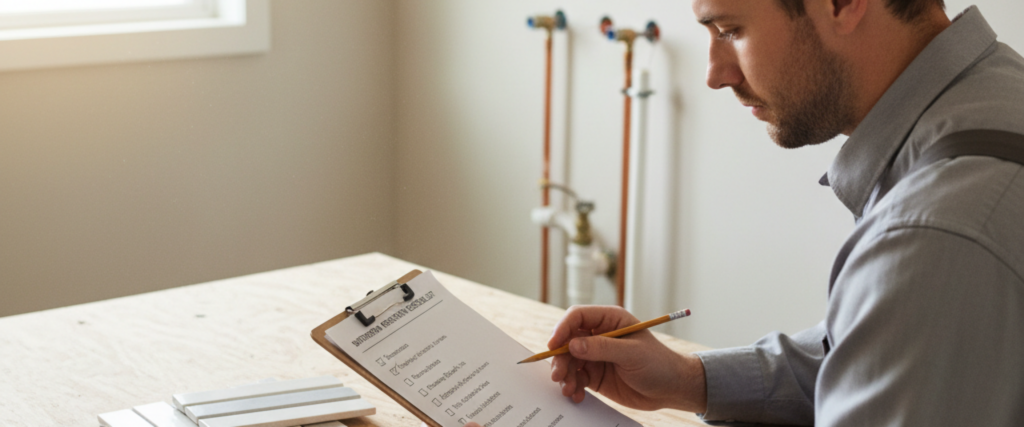
Embarking on a bathroom renovation in Sydney promises a fresh, functional space, but without a detailed bathroom renovation checklist Sydney, the dream can quickly become a stressful and expensive reality. Many homeowners overlook crucial planning steps, leading to budget blowouts, structural issues, and design compromises. This guide will equip Sydney homeowners with the knowledge to navigate their renovation journey successfully, revealing seven common pitfalls and how to avoid them for a truly rewarding experience.
Key Takeaways
- A detailed bathroom renovation checklist Sydney is crucial for avoiding common, costly mistakes and ensuring a smooth project.
- Thorough planning, including realistic budgeting and early consideration of plumbing/electrical, is paramount for a successful outcome.
- Selecting an experienced, licensed, and insured local Sydney renovation contractor like MB Complete Renovations is key to quality workmanship and peace of mind.
Embarking on a bathroom renovation in Sydney can be an exciting journey, promising a fresh, functional, and beautiful space. However, without careful planning and a robust bathroom renovation checklist Sydney, this dream can quickly turn into a stressful and expensive nightmare. Many homeowners, eager to dive into the aesthetics, often overlook critical steps that can lead to significant headaches down the track.
At MB Complete Renovations, we’ve seen it all. From budget blowouts to structural issues, and design compromises to prolonged timelines, common mistakes are easily avoidable with the right guidance. This comprehensive guide is designed to equip Sydney homeowners with the knowledge to navigate their renovation journey successfully, ensuring a result that not only looks fantastic but also stands the test of time.
Let’s delve into the seven most common pitfalls and how you can steer clear of them, transforming your bathroom renovation into a truly rewarding experience.
The Foundation: Why a Detailed Bathroom Renovation Checklist Sydney is Essential
A renovation project, no matter the scale, requires precision and foresight. For Sydney homeowners, a detailed bathroom renovation checklist Sydney isn’t just a suggestion; it’s a non-negotiable tool. It acts as your roadmap, ensuring every critical step, from initial concept to final touches, is considered and executed correctly.
Beyond Just Aesthetics: Functionality and Flow
While the visual appeal of your new bathroom is important, its core purpose is functionality. A checklist helps you think beyond tile colours and tapware styles, prompting you to consider the practical aspects of your space. How will the bathroom flow? Is there enough storage? Does the layout maximise usability for everyone in the household? These considerations are vital for daily comfort.
Saving Time and Money in the Long Run
One of the biggest benefits of a thorough checklist is its ability to prevent costly errors and delays. By identifying potential issues early, such as plumbing requirements or waterproofing needs, you can address them proactively. This proactive approach saves you from expensive rework, unexpected material purchases, and extended project timelines, ultimately keeping your bathroom renovation budget on track.
Here are some key benefits of developing a comprehensive checklist:
- Clarity and Direction: Provides a clear overview of all tasks involved, helping you stay organised.
- Budget Control: Helps in tracking expenses and avoiding unexpected costs.
- Quality Assurance: Ensures all critical aspects, like waterproofing and structural integrity, are addressed correctly.
- Efficient Communication: Serves as a reference point for discussions with your renovator and other trades.
- Reduced Stress: Minimises surprises and allows for a smoother, more predictable renovation process.
Mistake 1: Skipping the Detailed Planning and Budgeting Phase
The most common error many Sydney homeowners make is rushing into a bathroom renovation without a solid plan and a realistic budget. This oversight often leads to significant stress, compromises on quality, and ultimately, a disappointing outcome. Proper planning is the bedrock of any successful renovation.
Underestimating Costs and Contingencies
Many people have a general idea of what a renovation might cost, but few account for every single expense. Beyond materials and labour, you need to consider demolition, waste removal, waterproofing, electrical work, plumbing modifications, and potentially council approvals. Furthermore, always allocate a 10-15% contingency fund for unforeseen issues, especially with older Sydney homes where hidden problems can emerge.
A typical bathroom renovation budget should account for:
- Design Fees: If you’re engaging an interior designer.
- Demolition: Removal of old fixtures, tiles, and walls.
- Plumbing: New pipes, fixtures, and potential relocation of services.
- Electrical: Lighting, power points, exhaust fans, and heating.
- Waterproofing: Essential for all wet areas to prevent leaks and mould.
- Tiling: Cost of tiles and professional installation.
- Fixtures & Fittings: Vanity, toilet, shower, bath, tapware, mirrors.
- Labour Costs: For all trades involved (plumbers, electricians, tilers, carpenters).
- Waste Removal: Skip bins and disposal fees.
- Contingency: An essential buffer for unexpected issues.
Neglecting Layout and Functionality
It’s tempting to focus solely on the aesthetics – the beautiful tiles, the sleek vanity. However, a bathroom’s layout dictates its functionality. Neglecting to plan the optimal placement of the toilet, shower, vanity, and bath can lead to a cramped, inconvenient, or even unsafe space. Consider traffic flow, door swings, and accessibility when finalising your design. A well-thought-out layout can transform a small space into a highly efficient one.
Mistake 2: Ignoring Plumbing and Electrical Layouts Early On
One of the biggest budget blowouts in a bathroom renovation often stems from underestimating the complexity and cost of altering plumbing and electrical systems. These aren’t just details; they are the literal backbone of your bathroom’s functionality. Making decisions about their placement early is critical for a smooth project.
The Hidden Costs of Relocating Services
Relocating a toilet, shower, or vanity even a short distance can involve significant work, including breaking up concrete slabs, re-routing pipes through walls or floors, and extensive re-tiling. These structural changes are often far more expensive and time-consuming than simply replacing fixtures in their existing locations. Always discuss any desired layout changes with your renovator early to understand the full implications and costs involved.
Future-Proofing Your Bathroom
Beyond current needs, think about the future. Do you anticipate needing additional power points for grooming tools? Would a heated towel rail be a welcome addition? Is the lighting sufficient for both practical tasks and creating ambiance? Planning for these elements during the initial design phase, rather than trying to add them later, will save you considerable expense and disruption. Consider an electrician’s input early to ensure your new layout supports all your electrical needs safely and efficiently.
Here’s a simplified sequence for planning your services:
- Initial Concept Sketch: Draw out your ideal bathroom layout, including major fixtures.
- Consult a Professional: Share your sketch with your renovator, plumber, and electrician for feasibility and cost assessment.
- Finalise Layout: Based on professional advice, adjust your layout to balance desired aesthetics with practical and cost-effective plumbing/electrical solutions.
- Detailed Plans: Ensure your renovator provides detailed plans showing all service locations before demolition begins.
- Verify On-Site: During the rough-in phase, double-check that all plumbing and electrical points are exactly where you planned them.
Mistake 3: Choosing the Wrong Materials for a Wet Area
Sydney’s climate, with its humidity and occasional heavy rain, makes material selection for bathrooms particularly critical. The wrong choices can lead to mould, water damage, and premature deterioration, necessitating expensive repairs down the line. It’s essential to prioritise durability and water resistance without compromising on style.
Durability vs. Aesthetics: Striking the Balance
While that gorgeous natural stone might look incredible in a showroom, is it practical for a high-traffic family bathroom? Some materials require more maintenance, are less water-resistant, or are simply not robust enough for a wet area. Always research the longevity, maintenance requirements, and water resistance of any material you’re considering for your bathroom. Your renovator can offer invaluable advice on what works best in a Sydney context.
Waterproofing: Non-Negotiable for Sydney Homes
This is perhaps the single most critical aspect of material selection and installation. In Australia, strict waterproofing standards exist for wet areas for a reason. Failing to properly waterproof your bathroom can lead to devastating structural damage, timber rot, and mould growth in walls and floors, which can be incredibly costly to rectify. Always ensure your renovator uses licensed and experienced waterproofers, provides a waterproofing certificate, and uses high-quality, appropriate materials.
In Sydney, neglecting proper waterproofing is not just a mistake; it’s a future disaster waiting to happen. It’s the unseen hero of your bathroom, protecting your most significant asset from costly water damage. Always insist on certified professionals and quality materials – it’s an investment, not an expense.
Consider these suitable materials for your Sydney bathroom:
- Porcelain Tiles: Highly durable, water-resistant, and available in a vast array of styles and colours. Ideal for floors and walls.
- Ceramic Tiles: A more economical option, also durable and water-resistant for walls and low-traffic floors.
- Engineered Stone: Excellent for benchtops, offering durability, non-porosity, and a luxurious look with minimal maintenance.
- Acrylic or Fibreglass: Common for shower bases and bathtubs, these are highly water-resistant and easy to clean.
- Moisture-Resistant Gyprock: Essential for walls in wet areas before tiling, providing an extra layer of protection.
Mistake 4: DIY-ing Complex Aspects Without Professional Expertise
While the allure of saving money through DIY can be strong, especially for Sydney homeowners on a budget, attempting complex tasks without the necessary skills or licensing is a significant risk. Certain aspects of a bathroom renovation are simply not suitable for a DIY approach and require the hands of certified professionals.
The Risks of Substandard Workmanship
Plumbing, electrical, and waterproofing are highly regulated trades for very good reasons. Incorrectly installed plumbing can lead to leaks and water damage. Faulty electrical work poses serious fire and electrocution hazards. Inadequate waterproofing can compromise the structural integrity of your home. Substandard DIY work almost always ends up costing more in the long run when professionals are called in to fix dangerous or incorrect installations, often voiding warranties and insurance claims.
When to Call in the Sydney Professionals
For any work involving water, electricity, or structural changes, always engage licensed and insured tradespeople. This includes plumbers, electricians, and waterproofers. Even tasks like tiling, while seemingly straightforward, require significant skill for a professional finish and proper falls to drainage. A reputable renovator, like MB Complete Renovations, will manage all these trades, ensuring compliance with Australian standards and delivering a high-quality, safe, and durable result.
Ready to Transform Your Bathroom?
Let MB Complete Renovations handle the complexities, delivering a stunning and functional bathroom without the stress.
Get in Touch
Mistake 5: Overlooking Ventilation and Lighting
Often considered afterthoughts, proper ventilation and lighting are crucial elements for a functional, healthy, and aesthetically pleasing bathroom. Neglecting these aspects can lead to ongoing problems and diminish the overall enjoyment of your newly renovated space.
Preventing Mould and Mildew in Sydney’s Climate
Sydney’s humidity creates an ideal environment for mould and mildew growth, especially in bathrooms with poor ventilation. A powerful exhaust fan, correctly sized for your bathroom’s volume and ducted to the exterior, is essential. It helps remove moisture-laden air, preventing condensation on surfaces and inhibiting mould, which can cause health issues and damage finishes. Don’t just rely on a window; a good exhaust fan is a must-have for any modern bathroom renovation.
Creating the Right Ambiance and Practicality
Good lighting serves dual purposes in a bathroom: practical illumination for tasks like shaving or applying makeup, and creating a relaxing ambiance. A single overhead light is rarely sufficient. Consider a layered approach with task lighting around the mirror (e.g., wall sconces or LED strips), general ambient lighting (downlights), and perhaps accent lighting (e.g., recessed lights in a niche). Warm, dimmable options can transform your bathroom into a spa-like retreat, while bright, cool lights are perfect for morning routines. Always consult with your electrician to design an optimal lighting plan.
Mistake 6: Not Vetting Your Contractor Thoroughly
Choosing the right contractor is arguably the most critical decision in your entire bathroom renovation journey. A skilled, reliable, and trustworthy renovator can make all the difference between a smooth, successful project and a nightmare. Don’t rush this step; due diligence is paramount.
The Importance of Local Sydney Experience
A contractor with local Sydney experience understands the specific challenges and nuances of renovating in our city. They will be familiar with local council regulations, common building styles (e.g., older terraces, modern apartments), and the best local suppliers for materials. This local knowledge ensures a more efficient project and fewer unexpected hurdles. MB Complete Renovations, for example, has extensive experience across Sydney, giving us an edge in understanding your specific needs.
Checking Licences, Insurance, and References
Never hire a contractor without verifying their credentials. Always ask for proof of:
- Licensing: Ensure they hold a valid builder’s licence in NSW. You can verify this through Fair Trading NSW.
- Insurance: Public liability insurance is essential to protect you and your property in case of accidents. Home Building Compensation Fund (HBCF) insurance is also required for projects over a certain value.
- References: Speak to past clients to gauge their experience with the contractor’s professionalism, quality of work, adherence to budget/timeline, and communication.
- Portfolio: Review their previous work to ensure their style and quality align with your expectations.
- Contract: Insist on a detailed written contract outlining all aspects of the project, including scope of work, payment schedule, timeline, and warranty information.
A reputable contractor will be transparent with all this information and happy to provide it.
Mistake 7: Failing to Communicate Clearly Throughout the Project
Even with the most meticulously planned bathroom renovation checklist Sydney and the best contractor, communication breakdowns can derail a project. Clear, consistent communication is the glue that holds everything together, ensuring everyone is on the same page from start to finish.
Setting Expectations from Day One
Before any work begins, have a thorough discussion with your renovator about expectations. This includes the project timeline, working hours, noise levels, access to your property, protection of other areas of your home, and how daily updates will be provided. Document these agreements in your contract to avoid misunderstandings later on. Discuss how changes will be handled and approved, as variations can often lead to disputes if not managed properly.
Regular Check-ins and Feedback Loops
Throughout the renovation, schedule regular check-ins with your project manager or contractor. These meetings are crucial for discussing progress, addressing any emerging issues, and making timely decisions. Don’t be afraid to ask questions or raise concerns. A good renovator will welcome your input and ensure you’re kept informed every step of the way. Open dialogue fosters trust and ensures the final outcome perfectly matches your vision.
Frequently Asked Questions
How long does a typical bathroom renovation take in Sydney?
The duration of a bathroom renovation in Sydney can vary significantly based on its complexity, the size of the bathroom, and the extent of structural changes. Generally, a standard renovation takes between 3 to 6 weeks from demolition to completion. More extensive projects involving layout changes or custom cabinetry might take longer, while minor cosmetic updates could be quicker. Your renovator should provide a clear timeline in their proposal.
What’s the average cost of a bathroom renovation in Sydney?
Bathroom renovation costs in Sydney vary widely. A basic renovation might start from $15,000 – $25,000, while a mid-range renovation typically falls between $25,000 – $45,000. High-end, luxury bathrooms with custom features and premium materials can easily exceed $50,000+. These figures are estimates and depend heavily on material choices, labour, and any structural work required. Always get a detailed, itemised quote from your chosen renovator.
Do I need council approval for a bathroom renovation in Sydney?
Most standard bathroom renovations, such as replacing fixtures and tiles within the existing footprint, do not require council approval in Sydney. However, if your renovation involves structural changes (e.g., removing a load-bearing wall), altering the external appearance of your home, or significantly changing the building’s footprint, you will likely need to apply for a Development Application (DA) or a Complying Development Certificate (CDC). It’s always best to consult with your renovator or local council to confirm requirements.
What should I look for in a Sydney bathroom renovator?
Look for a renovator with a valid NSW builder’s licence, comprehensive insurance (including public liability and Home Building Compensation Fund insurance), and a strong portfolio of completed bathroom projects. Check their references, read online reviews, and ensure they provide a detailed contract. Local experience in Sydney is a significant advantage, as they’ll understand specific building codes and supplier networks. Communication style and transparency are also key indicators of a good fit.
Is waterproofing really that important?
Absolutely! Waterproofing is arguably the most critical component of any bathroom renovation. Failure to properly waterproof can lead to severe and costly issues like timber rot, structural damage, mould growth, and pest infestations in your home. In Australia, strict standards govern waterproofing in wet areas. Always ensure a licensed and certified waterproofer is used, and obtain a waterproofing certificate upon completion for your records and warranty.
Can I live in my home during a bathroom renovation?
Yes, most homeowners remain in their property during a bathroom renovation, especially if they have another bathroom available. However, be prepared for noise, dust, and limited access to the renovation area. Your renovator should take measures to minimise disruption, such as dust sheeting and daily clean-ups. If you only have one bathroom, you’ll need to make alternative arrangements, which your renovator can help you plan for.
Related resources
Visit MB Complete Renovations Today
Ready to start your bathroom renovation in Sydney with a team you can trust? MB Complete Renovations is your local expert, dedicated to quality and customer satisfaction.
Get in Touch