
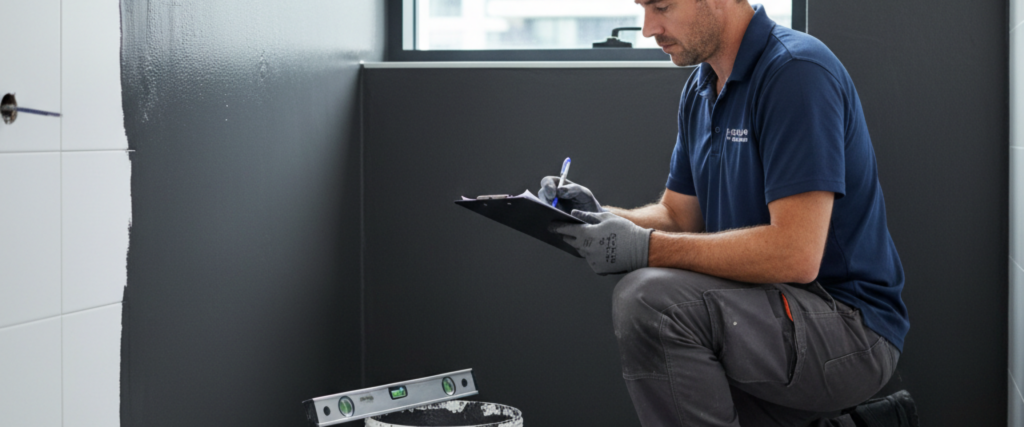
Navigate Sydney strata waterproofing regulations with our guide. Ensure compliance with essential waterproofing standards like NCC & AS 3740 for wet area renovations. Prevent costly issues & get expert advice.
Key Takeaways
- Compliance with the NCC and AS 3740 is mandatory for all wet area renovations in Sydney strata properties, ensuring structural integrity and preventing costly damage. These essential waterproofing standards protect your investment.
- Engaging licensed, experienced waterproofers is crucial for quality installation, warranty validity, and navigating complex strata by-laws and approval processes.
- Proactive communication with your Owners Corporation and obtaining necessary approvals before commencing work is essential to avoid disputes and ensure a smooth renovation.
Embarking on a renovation within a strata property in Sydney can be an exciting prospect, promising refreshed living spaces and enhanced comfort. However, when those renovations involve wet areas like bathrooms, kitchens, or laundries, there’s a critical element that often goes overlooked until it’s too late: waterproofing.
In the complex world of strata living, proper waterproofing isn’t just about protecting your own unit; it’s about safeguarding the entire building and your neighbours from potential water damage. Failing to adhere to stringent strata waterproofing Sydney regulations can lead to significant financial penalties, legal disputes, and extensive repair work.
At MB Complete Renovations, we understand the unique challenges and responsibilities that come with Get in Touch. Our goal is to provide a comprehensive guide to help strata owners and managers navigate these essential waterproofing standards, ensuring your project is compliant, durable, and stress-free. Let’s dive into the critical details.
The Unique Challenges of Strata Waterproofing for Apartments in Sydney
Strata properties, by their very nature, present a distinct set of considerations when it comes to any renovation, especially those impacting wet areas. The interconnectedness of units means that an issue in one can quickly become a problem for many.
Shared Walls and Liabilities
Unlike a standalone home, your strata unit shares walls, floors, and ceilings with other residents. This means that a waterproofing failure in your bathroom, for instance, could lead to water ingress in the unit below or adjacent, causing damage to their property.
Such incidents can quickly escalate into complex legal and financial disputes, with the Owners Corporation, individual owners, and even the original installer potentially sharing liability. Understanding these shared responsibilities is the first step in ensuring your renovation protects everyone involved.
The Cost of Non-Compliance
Ignoring or cutting corners on strata waterproofing Sydney regulations is a false economy. The initial saving on a cheaper, non-compliant job pales in comparison to the potential costs of rectifying water damage, mould growth, structural issues, and legal fees down the track. Adhering to essential waterproofing standards is always the better choice.
Insurance claims can also become complicated if it’s found that building codes or strata by-laws were not followed. Investing in professional, compliant waterproofing from the outset is the smartest and most cost-effective approach for any strata renovation.
- Interconnected Systems: Water leaks can affect multiple units, not just your own.
- Increased Liability: Owners can be held responsible for damage caused to common property or other units due to non-compliant work.
- Strata By-Laws: Specific rules often govern renovations, particularly wet areas, requiring careful adherence to essential waterproofing standards.
- Insurance Implications: Non-compliance can void warranties and complicate insurance claims for water damage.
Deciphering NSW Building Codes and Standards
In New South Wales, all building work, including renovations within strata properties, must comply with a stringent set of codes and standards. For waterproofing, these are particularly critical and non-negotiable.
The National Construction Code (NCC) and BCA
The National Construction Code (NCC) is Australia’s primary set of technical building provisions. Volume One and Two of the NCC, known as the Building Code of Australia (BCA), outline the minimum performance requirements for the design and construction of buildings throughout Australia.
For wet areas, the BCA mandates specific performance requirements to prevent the penetration of water and moisture. These requirements are then detailed further through referenced Australian Standards, which provide the practical methods for achieving compliance. Any renovation impacting wet areas must strictly adhere to these provisions and essential waterproofing standards.
Australian Standards AS 3740: Waterproofing of Wet Areas
The key Australian Standard governing waterproofing in residential and commercial buildings is AS 3740: Waterproofing of wet areas within residential buildings. This standard provides detailed specifications for:
- The types of materials to be used (e.g., membranes, sealants).
- The areas that must be waterproofed (e.g., entire shower floor, specific heights up walls).
- Installation methods and preparation of surfaces.
- Requirements for penetrations, joints, and junctions.
- Testing and inspection protocols.
Compliance with AS 3740 is not optional; it is a fundamental requirement for legal and safe wet area renovations in Sydney strata properties. A qualified waterproofer will be intimately familiar with these essential waterproofing standards and apply them meticulously.
Essential Waterproofing Requirements for Common Wet Areas
Each wet area within a strata unit has specific waterproofing requirements dictated by AS 3740 and the NCC. Understanding these details is crucial for planning your renovation and ensuring compliance.
Bathroom Renovations
Bathrooms are arguably the most critical area for waterproofing due to the constant presence of water. The standards are particularly stringent here:
- The entire floor of the shower recess must be waterproofed.
- The shower walls must be waterproofed to a minimum height of 1800mm.
- The remainder of the bathroom floor, outside the shower, must be waterproofed to a minimum of 100mm from the walls.
- Walls adjacent to baths and shower bases must be waterproofed to a minimum of 150mm above the highest point of the bath or shower base.
- All junctions between walls and floors, and around penetrations (like tap fittings), must be adequately sealed and waterproofed.
These specifications ensure that any water splashes or leaks are contained, preventing damage to the floor structure and neighbouring units. Correct fall to the floor waste is also paramount to ensure water drains effectively. Adhering to these essential waterproofing standards is key.
Kitchen and Laundry Considerations
While often perceived as less ‘wet’ than bathrooms, kitchens and laundries still require specific waterproofing measures, especially around sinks, dishwashers, and washing machines. Burst pipes or overflowing appliances can cause significant damage.
- Kitchens: Areas beneath and around sinks and dishwashers should be waterproofed, particularly if they are on an upper floor.
- Laundries: The entire floor of the laundry area should be waterproofed, with walls waterproofed to a minimum height of 150mm. This is especially important if the laundry is on an upper floor or directly above a living space.
These measures are designed to contain spills and leaks from appliances, protecting the structural integrity of the building and the property below. Always consult with a professional to ensure your kitchen and laundry waterproofing meets the required essential waterproofing standards.
The Critical Role of Licensed Waterproofers and Certification
The application of waterproofing membranes is a specialised trade that requires specific skills, knowledge, and experience. It is not a job for a general handyman or a DIY enthusiast, especially within a strata context.
Why Professional Installation Matters
Engaging a licensed waterproofer Sydney is not just a recommendation; it’s often a legal requirement and an absolute necessity for peace of mind. Licensed professionals possess:
- Expert Knowledge: They understand the nuances of the NCC, AS 3740, and local council regulations, ensuring all essential waterproofing standards are met.
- Correct Materials: They use appropriate, compliant waterproofing membranes and sealants for specific applications.
- Proper Techniques: They follow manufacturer specifications and industry best practices for surface preparation, application, and curing.
- Problem Identification: They can identify potential issues, such as substrate movement or inadequate falls, before they become major problems.
A poorly executed waterproofing job will inevitably fail, leading to leaks, mould, and costly repairs that far outweigh the initial savings. Don’t risk your investment or your neighbours’ property by choosing an unqualified contractor.
In Sydney strata renovations, the integrity of waterproofing isn’t just about compliance; it’s the foundation of long-term property value and harmonious neighbourly relations. A single waterproofing failure can unravel years of careful planning and investment. Meeting essential waterproofing standards is paramount.
Warranty and Documentation
A reputable, licensed waterproofer Sydney will provide a written warranty for their work, typically covering a period of several years. This warranty is your assurance of quality and provides recourse if an issue arises due to faulty workmanship.
Furthermore, they should provide you with a waterproofing certificate or compliance certificate upon completion. This document is vital for your records, for strata approval, and potentially for future sale of the property. It demonstrates that the work was carried out by a qualified professional in accordance with Australian Standards and strata waterproofing Sydney regulations, meeting all essential waterproofing standards.
Navigating Strata By-Laws and Approval Processes
One of the most significant differences between renovating a freestanding house and a strata unit is the need to obtain approval from your Owners Corporation. This process is particularly rigorous for wet area renovations.
Understanding Your Strata Scheme
Before you even begin planning your renovation, it’s crucial to thoroughly review your strata scheme’s by-laws. These by-laws often contain specific rules regarding:
- What types of renovations require approval.
- The documentation needed for approval (e.g., plans, specifications, contractor licenses, insurance).
- Working hours and noise restrictions.
- Requirements for common property protection during works.
- Specific conditions for wet area renovations, including essential waterproofing standards.
Some strata schemes may even have preferred contractors or specific requirements for post-renovation inspections. Being well-informed from the outset will save you considerable time and potential headaches.
The Application and Approval Journey
The process for gaining strata approval process Sydney can vary, but generally follows these steps:
- Review By-Laws: Understand what’s required for your specific renovation.
- Prepare Documentation: Gather detailed plans, specifications, scope of work, contractor licences, insurance certificates (public liability, home warranty), and a proposed timeline.
- Submit Application: Lodge your comprehensive application with the Strata Manager or Owners Corporation.
- Await Approval: The Owners Corporation will review your application, often at a committee meeting. They may request further information or specific conditions.
- Obtain Written Consent: Do NOT commence any work until you have received formal written approval from the Owners Corporation.
- Inform Neighbours: Once approved, it’s courteous and often required to inform neighbours about the upcoming works, including noise expectations and duration.
Early and clear communication with your Strata Manager and Owners Corporation is key. Transparency about your renovation plans, especially regarding critical aspects like waterproofing and adherence to essential waterproofing standards, will help build trust and facilitate a smoother approval process.
Ready to Start Your Strata Renovation?
Benefit from our expertise in compliant, high-quality strata renovations across Sydney.
Preventing Costly Issues: Inspections and Maintenance
Even with the most meticulous installation of waterproofing, ongoing vigilance and proper maintenance are essential to ensure its longevity and prevent future problems. This is particularly true in a strata environment where collective responsibility plays a role.
Post-Renovation Checks
Once your renovation is complete and the waterproofing certificate is in hand, it’s wise to perform some initial checks. Look for:
- Effective Drainage: Ensure water flows freely to the floor waste in showers and laundries, with no pooling.
- Intact Grouting and Sealants: Check that all grout lines are complete and sealants around fixtures (like shower screens, baths, and sinks) are sound and free from cracks.
- No Visible Leaks: After initial use, inspect the ceiling or walls of the unit below (if accessible and with permission) for any signs of dampness or discolouration.
These early checks can help catch any minor issues before they escalate into significant problems, offering an opportunity for prompt rectification by your installer under warranty, ensuring adherence to essential waterproofing standards.
Long-Term Care for Waterproofing
Waterproofing membranes are designed to be durable, but they are not indestructible. Regular maintenance of the elements that protect the membrane is crucial for its longevity:
- Maintain Grout and Silicone: Over time, grout can crack, and silicone seals can degrade. Regularly inspect these areas and re-grout or re-seal as needed. This forms the primary barrier that protects the underlying waterproofing membrane.
- Address Leaks Promptly: Any sign of a leak, no matter how small, should be investigated immediately. Don’t wait for it to become a major issue.
- Avoid Harsh Chemicals: Some harsh cleaning agents can degrade sealants and grout. Use appropriate cleaners for your wet areas.
- Consider Professional Inspections: For older properties or after significant periods, a professional waterproofing inspection Sydney can identify potential weak points before they fail, offering proactive maintenance.
Proactive maintenance not only extends the life of your waterproofing but also helps maintain the value of your property and avoids potential disputes within the strata scheme, ensuring continued adherence to essential waterproofing standards.
Choosing the Right Partner for Your Strata Renovation
Selecting a renovation contractor for a strata property requires careful consideration. Beyond general building skills, you need a team that understands the specific nuances of working within a shared residential environment and is fully conversant with strata waterproofing Sydney regulations and essential waterproofing standards.
Experience with Strata Projects
MB Complete Renovations has extensive experience working on strata projects across Sydney. We understand the unique challenges, from navigating complex by-laws and obtaining approvals to coordinating with strata managers and respecting neighbours.
Our team is adept at managing the logistics of strata renovations, including scheduling work to minimise disruption, ensuring site cleanliness, and adhering to all building and safety regulations. We pride ourselves on being a reliable tradespeople for strata owners and managers.
Transparency and Communication
Communication is paramount in any renovation, but even more so in a strata setting. We maintain open and transparent communication with our clients, strata managers, and the Owners Corporation throughout the entire project lifecycle.
From detailed quotes and clear timelines to regular progress updates and proactive issue resolution, we ensure everyone is informed. Our commitment to quality workmanship and transparent processes means you can trust us to deliver your strata renovation to the highest standards, on time and within budget, ensuring full compliance with all waterproofing requirements and essential waterproofing standards.
For further information, see business.gov.au and the Australian Building Codes Board.
Frequently Asked Questions
What is AS 3740 and why is it important for my Sydney strata renovation?
AS 3740 is the Australian Standard for waterproofing of wet areas in residential buildings. It specifies the minimum requirements for materials, installation, and design to prevent water penetration. For strata renovations in Sydney, adhering to AS 3740 is mandatory under the NCC/BCA, ensuring legal compliance, preventing water damage to your unit and neighbouring properties, and maintaining your warranty. These are essential waterproofing standards for any project.
Do I need strata approval for a bathroom or kitchen renovation in my unit?
Yes, almost all bathroom, kitchen, or laundry renovations in strata properties require formal approval from your Owners Corporation. This is particularly true for wet areas due to the potential impact on common property and other units. You’ll typically need to submit detailed plans, specifications, contractor licences, and insurance details for review and approval before commencing any work.
What happens if waterproofing fails in my strata unit?
If waterproofing fails, it can lead to water damage in your unit, common property, or even units below or adjacent to yours. This can result in costly repairs, mould growth, structural issues, and potential legal disputes regarding liability. Non-compliant work may also void warranties and complicate insurance claims, making professional installation and compliance with strata waterproofing Sydney regulations essential.
How long does waterproofing typically last, and what’s its warranty?
Properly installed waterproofing, adhering to AS 3740, can last for many years, often 10-15 years or more, depending on the materials and usage. Licensed waterproofers typically provide a warranty for their work, which can range from 7 to 10 years, covering defects in workmanship and materials. Always ensure you receive a written warranty and a compliance certificate from your chosen contractor.
Can I perform waterproofing myself in a strata unit to save costs?
While theoretically possible, it is strongly advised against. Waterproofing is a specialised trade with strict regulations (NCC, AS 3740) that require specific skills and licensing. DIY waterproofing in a strata unit is highly risky, may not be compliant, will likely void warranties, and could lead to significant damage and liability issues. Always engage a licensed and experienced waterproofer for strata renovations, ensuring all essential waterproofing standards are met.
What documentation should I receive after waterproofing work is completed?
Upon completion of waterproofing work, you should receive a waterproofing certificate or compliance certificate from your licensed waterproofer. This document confirms that the work was carried out in accordance with Australian Standards and relevant building codes. This certificate is crucial for your records, strata compliance, and potential future property sales.
Visit MB Complete Renovations Today
For comprehensive, compliant, and stress-free strata renovations across Sydney, trust the experienced team at MB Complete Renovations.